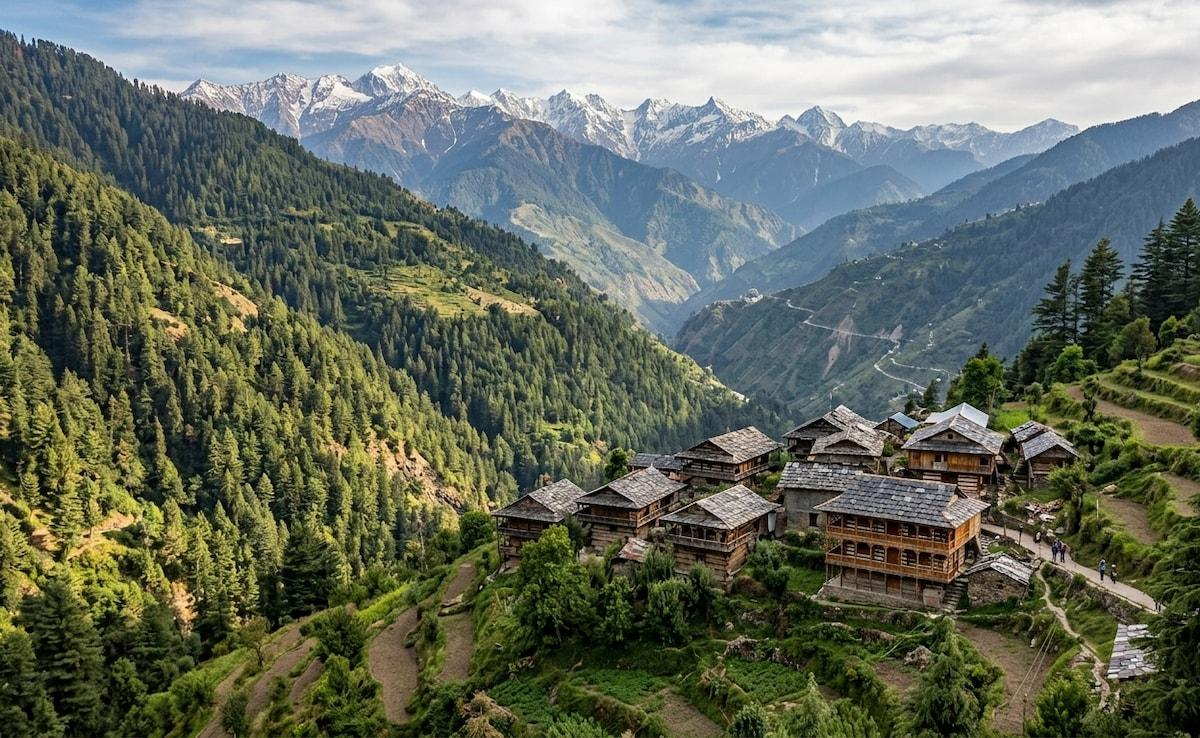
Tirthan Valley: Himachal’s Best-Kept Secret: A Journey Into the Mountains I Didn’t Want to Leave
Introduction
Some destinations become famous because everyone talks about them. Others remain special because only a few people truly experience them. Tirthan Valley belongs to the second category.
After visiting several popular hill stations in Himachal Pradesh, I wanted somewhere quieter—somewhere where mornings began with the sound of a flowing river instead of traffic and evenings ended under a sky full of stars. That’s exactly what led me to Tirthan Valley, a peaceful Himalayan destination tucked away in Kullu district.
It wasn’t a trip filled with packed itineraries or famous tourist attractions. Instead, it became one of the most relaxing and memorable journeys I’ve ever taken.
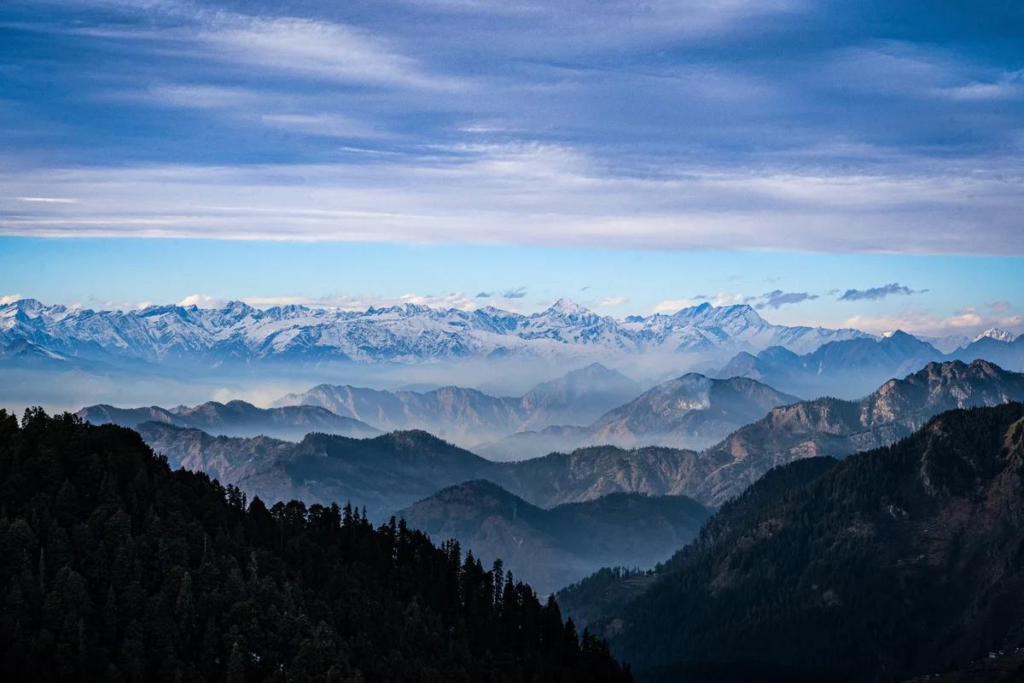
Why I Visited Tirthan Valley
I had been looking for a destination that still felt untouched by mass tourism. Places like Manali and Shimla are beautiful, but they can become crowded during peak seasons.
While researching hidden destinations in Himachal Pradesh, I kept coming across travelers describing Tirthan Valley as “the best-kept secret of Himachal.” Pictures of crystal-clear rivers, wooden cottages, dense forests, and mountain villages convinced me instantly.
I wanted a place where I could disconnect from daily life, enjoy nature, and spend time exploring without rushing from one attraction to another.
Tirthan Valley turned out to be exactly that.
First Impression
The moment I entered the valley, everything changed.
The roads became quieter.
The air became cooler.
The mountains appeared taller.
Most importantly, I could hear the Tirthan River flowing beside the road almost everywhere.
Instead of large hotels and crowded marketplaces, I found cozy homestays, apple orchards, pine forests, and smiling locals.
It felt like Himachal from twenty years ago.
How I Reached There
Tirthan Valley isn’t difficult to reach, but it does require a little planning.
By Air
The nearest airport is Bhuntar Airport, around 50 km away. From there, taxis are easily available to reach the valley.
By Train
The closest major railway station is Chandigarh. From Chandigarh, you can either hire a taxi or board a bus towards Aut and continue by local taxi.
By Bus
Regular Volvo buses run from Delhi and Chandigarh to Aut.
From Aut, shared taxis and private cabs take around one hour to reach villages like Gushaini or Banjar.
By Road
Driving is probably the best option.
The roads offer incredible mountain scenery, riverside drives, and several beautiful stops along the way.
Approximate driving time:
- Delhi to Tirthan Valley: 11–12 hours
- Chandigarh to Tirthan Valley: 7–8 hours
My Experience
Unlike many hill stations where sightseeing becomes the priority, Tirthan Valley encouraged me to slow down.
Every morning began with tea beside the river.
Instead of rushing to tourist spots, I spent hours simply walking through forests, crossing small wooden bridges, watching local life, and listening to birds.
The valley constantly surprised me with hidden waterfalls, tiny cafés, and breathtaking mountain views.
The simplicity of the place became its biggest attraction.
What I Explored
Great Himalayan National Park
One of the highlights of my trip was visiting the Great Himalayan National Park.
The short trek through forests, rivers, and mountain trails felt incredibly peaceful.
The biodiversity here is remarkable, making it a paradise for nature lovers and wildlife enthusiasts.
Gushaini Village
Gushaini quickly became my favorite place.
Small wooden homes, colorful flowers, flowing streams, and friendly locals gave the village an unforgettable charm.
Walking through its narrow lanes felt like stepping into another world.
Chhoie Waterfall Trek
The trek to Chhoie Waterfall was short but beautiful.
Dense forests surrounded the trail, and the waterfall itself was refreshing after the hike.
It wasn’t crowded, allowing me to truly enjoy the peaceful atmosphere.
Riverside Walks
Some of my favorite memories weren’t at famous attractions.
They happened while simply walking along the Tirthan River during sunrise and sunset.
Watching sunlight reflect on crystal-clear water while hearing nothing except nature was incredibly calming.
Highlights of the Trip
- Watching sunrise beside the river
- Crossing wooden suspension bridges
- Meeting warm and welcoming locals
- Enjoying homemade Himachali meals
- Exploring untouched forest trails
- Sleeping to the sound of flowing water
- Watching thousands of stars at night
Memorable Moments
One evening, I sat beside the river with a cup of local tea as the mountains slowly disappeared into the evening mist.
There were no loud conversations.
No traffic.
No phone notifications.
Just the sound of flowing water and birds returning home.
It reminded me how peaceful travel can be when we choose slower destinations.
Places You Shouldn’t Miss
Great Himalayan National Park
Perfect for trekking, wildlife, and photography.
Gushaini
The heart of Tirthan Valley and one of the prettiest villages in Himachal.
Chhoie Waterfall
An easy trek leading to a beautiful waterfall hidden inside the forest.
Jalori Pass
Located around an hour away, Jalori Pass offers panoramic mountain views and serves as the starting point for several scenic hikes.
Serolsar Lake
A peaceful alpine lake reached via an easy trek from Jalori Pass.
Hidden Gems
Shoja Village
A quiet mountain village with breathtaking valley views.
Traditional Wooden Houses
Many villages still preserve beautiful Himachali wooden architecture.
Riverside Picnic Spots
Several peaceful locations beside the river are perfect for spending an afternoon.
Local Apple Orchards
If visiting during harvest season, you’ll find orchards full of fresh apples.
Food I Tried
The food in Tirthan Valley focuses on fresh local ingredients and simple flavors.
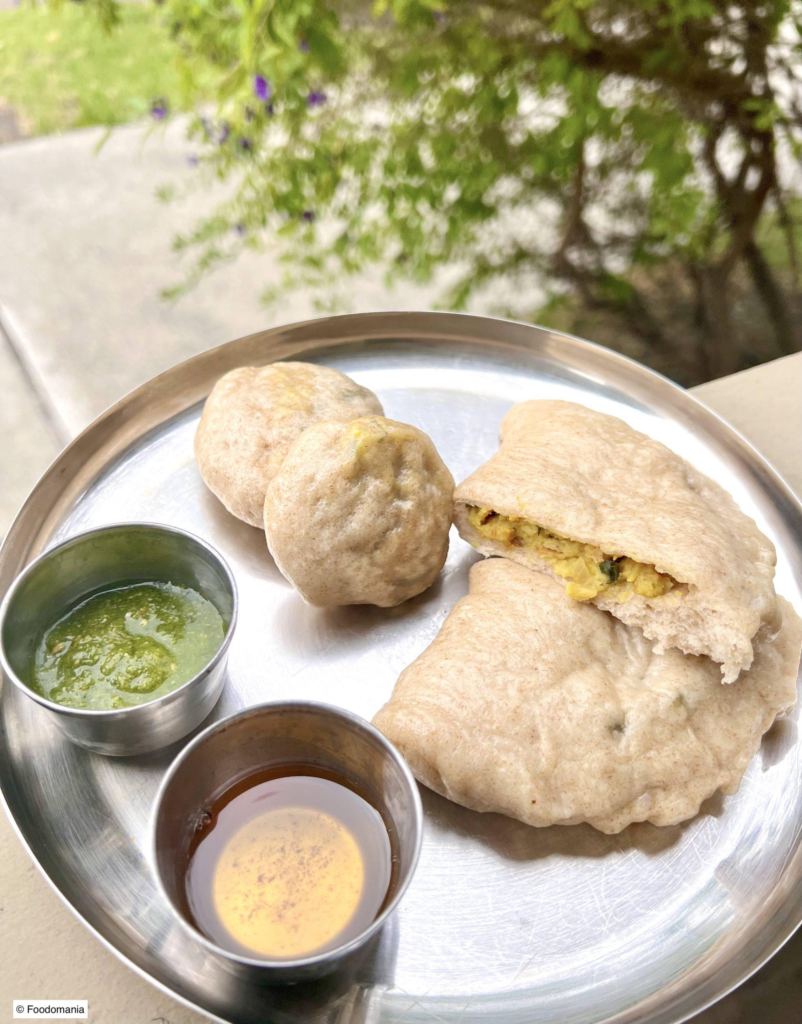
Siddu
A soft steamed bread stuffed with walnuts or poppy seeds, served with ghee.
It quickly became one of my favorite local dishes.
Rajma Chawal
Simple but incredibly flavorful, especially when prepared using locally grown kidney beans.
Trout Fish
Fresh trout from the Tirthan River is one of the valley’s specialties.
The grilled version was absolutely delicious.
Himachali Dham
A traditional festive meal featuring several local dishes served together.
Cafes & Restaurants Worth Visiting
- The Himalayan Trout House Café
- Tirthan River Café
- Offbeat Café Gushaini
- Local Homestay Kitchens (highly recommended for authentic meals)
Stay Options
| Category | Approximate Price (Per Night) |
|---|---|
| Budget Homestays | ₹1,000–₹2,000 |
| Mid-range Riverside Cottages | ₹2,500–₹5,000 |
| Luxury Resorts | ₹6,000–₹12,000+ |
Through My Lens 📸
Best Photography Spots
- Tirthan River
- Gushaini Village
- Jalori Pass
- Serolsar Lake
- Wooden suspension bridges
- Apple orchards
- Great Himalayan National Park trails
Best Sunrise Locations
- Riverside near Gushaini
- Open meadows around Shoja
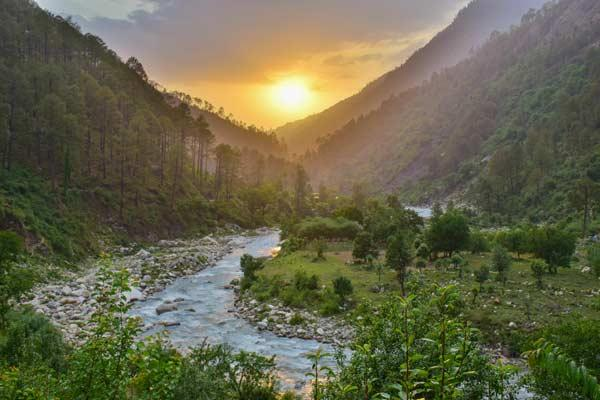
Best Sunset Locations
- Jalori Pass
- Valley viewpoints near Shoja
- Riverside cafés
Travel Budget
| Expense | Approximate Cost |
|---|---|
| Transport | ₹4,500 |
| Stay (3 Nights) | ₹7,500 |
| Food | ₹2,500 |
| Activities & Entry | ₹2,000 |
| Shopping & Miscellaneous | ₹1,500 |
| Total | ₹18,000 |
(Approximate budget per person from Delhi.)
Travel Tips
Best Time to Visit
- March to June: Pleasant weather, greenery, and ideal for sightseeing.
- September to November: Clear mountain views and post-monsoon beauty.
- December to February: Snow in nearby higher-altitude areas and a quieter atmosphere.
Ideal Trip Duration
3 to 4 days is perfect to explore the valley without rushing.
What to Pack
- Warm jacket (even during summer evenings)
- Comfortable trekking shoes
- Rain jacket (during monsoon)
- Power bank
- Sunglasses
- Sunscreen
- Personal medicines
- Camera with extra batteries
- Reusable water bottle
Things to Avoid
- Avoid littering—the valley’s biggest attraction is its pristine environment.
- Don’t play loud music near the river or forest areas.
- Carry enough cash, as digital payments may not work everywhere.
- Avoid driving after dark on unfamiliar mountain roads.
- Respect local customs and private orchards.
Travel Essentials I Personally Recommend
Every trip teaches you what truly matters when you’re on the road. During my visit to Tirthan Valley, a few travel essentials made the experience much more comfortable—from hiking forest trails to capturing stunning mountain landscapes and spending long hours outdoors. If you’re planning a similar trip, these are some items I highly recommend carrying. They’re practical, lightweight, and worth adding to your backpack before you leave.
Here are things you need to carry:
- Anti-theft Backpack (30–40 L)
- Trekking Shoes
- Insulated Water Bottle
- Power Bank (20,000mAh)
- Compact DSLR/Mirrorless Camera
- Camera Tripod
- Action Camera
- Polarized Sunglasses
- Sunscreen SPF 50+
- Portable Rain Jacket
My Overall Experience
Tirthan Valley gave me something that many popular destinations no longer can: complete peace.
It wasn’t about checking famous attractions off a list. It was about slowing down, breathing fresh mountain air, listening to the river, and appreciating the beauty of simple moments. Every walk through the villages, every meal prepared by locals, and every quiet sunrise by the water made the journey feel deeply personal.
Would I recommend it? Without hesitation.
If you’re looking for nightlife, shopping streets, or crowded tourist attractions, the valley may not be the right travel destination. But if you enjoy nature, photography, slow travel, trekking, birdwatching, or simply escaping the noise of everyday life, Tirthan Valley is one of the most rewarding places you can visit in Himachal Pradesh.
It’s the kind of place that stays with you long after you’ve returned home—and one that quietly invites you back.
Frequently Asked Questions
1. Is Tirthan Valley worth visiting?
Yes, it’s one of Himachal Pradesh’s most peaceful destinations, ideal for nature lovers, trekkers, photographers, and anyone looking to escape crowded hill stations.
2. How many days are enough for Tirthan Valley?
A 3–4 day trip is ideal to explore Gushaini, Jalori Pass, Serolsar Lake, Chhoie Waterfall, and nearby villages at a relaxed pace.
3. What is the best time to visit Tirthan Valley?
March to June and September to November offer pleasant weather, while winter (December to February) is perfect if you want to experience snow in nearby higher-altitude areas.
4. Is Tirthan Valley expensive?
No. A comfortable 3-night trip can typically cost between ₹15,000 and ₹20,000 per person from Delhi, depending on your choice of accommodation and activities.
5. Can beginners trek in Tirthan Valley?
Yes. Trails like Chhoie Waterfall and Serolsar Lake are beginner-friendly, while experienced trekkers can explore deeper routes in the Great Himalayan National Park.
6. Is Tirthan Valley suitable for families and couples?
Absolutely. Its peaceful atmosphere, scenic landscapes, riverside stays, and outdoor activities make it an excellent destination for couples, families, solo travelers, and photographers alike.