Travel Safety tips Every Traveler Must Know
Traveling is one of the most rewarding experiences in life, but every memorable adventure begins with proper preparation. Whether you’re planning a weekend getaway, an international vacation, or a solo backpacking trip, staying safe should always be your top priority. Over the years, I’ve learned that even small safety precautions can prevent major problems while traveling.
This Travel Safety Guide helps you prepare for your next journey with confidence. From protecting your belongings and understanding local customs to handling emergencies and staying healthy on the road, following a reliable travel safety guide allows you to focus on creating unforgettable memories instead of worrying about avoidable risks.
Why Every Traveler Needs a Travel Safety Guide
No matter where you’re traveling, unexpected situations can happen. Lost luggage, delayed flights, scams, illness, or unfamiliar surroundings can quickly disrupt your plans. That’s why I never start a trip without following my personal travel safety guide.
Having a structured travel safety guide helps you prepare before departure, stay alert during your journey, and respond calmly if something goes wrong. A little preparation today can save you time, money, and unnecessary stress later.
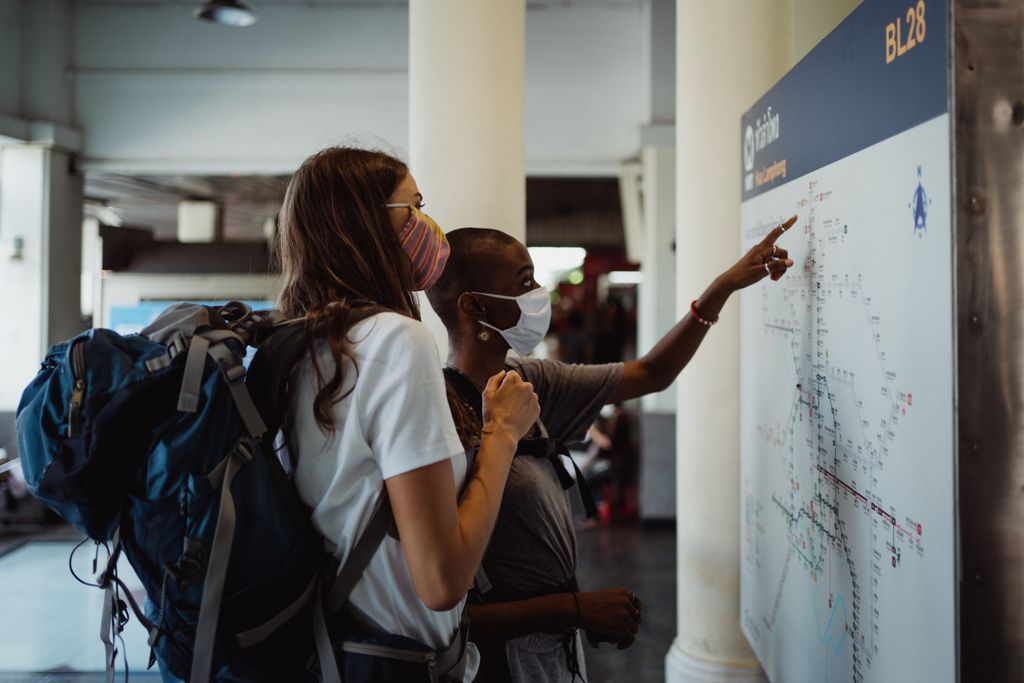
Research Your Destination Before You Travel
One of the first steps in my travel safety guide is researching the destination thoroughly.
Before booking your trip, learn about:
- Local laws and customs
- Weather conditions
- Safe neighborhoods
- Public transportation
- Emergency contact numbers
- Common tourist scams
- Cultural etiquette
Understanding your destination helps you avoid many common travel mistakes.
Keep Your Travel Documents Safe
Your passport and identification documents are among the most important items you’ll carry.
As part of my travel safety guide, I always:
- Carry the original passport securely.
- Store digital copies in cloud storage.
- Keep printed copies in separate luggage.
- Save hotel confirmations and travel insurance digitally.
- Carry emergency contact information.
If you lose your documents, having backups makes recovery much easier.
Purchase Travel Insurance
A comprehensive travel safety guide always includes travel insurance.
Travel insurance can protect you against:
- Medical emergencies
- Flight cancellations
- Lost baggage
- Trip interruptions
- Emergency evacuations
Although it’s an additional expense, it provides peace of mind and financial protection during unexpected situations.
Protect Your Money and Valuables
Keeping your belongings secure is one of the simplest ways to avoid travel problems.
I recommend:
- Using an RFID-blocking wallet.
- Carrying only the cash you need for the day.
- Leaving expensive jewelry at home.
- Locking valuables in your hotel safe.
- Using an anti-theft backpack.
These habits are an important part of my personal travel safety guide.
Stay Aware of Your Surroundings
Situational awareness is often your best defense.
While exploring a new destination:
- Avoid distractions while walking.
- Stay in well-lit areas at night.
- Be cautious in crowded places.
- Trust your instincts.
- Avoid displaying expensive gadgets unnecessarily.
A reliable travel safety guide encourages awareness without making you fearful of travel.
Use Safe Transportation
Transportation is a major part of travel safety.
Whenever possible:
- Use licensed taxis.
- Verify ride-sharing details before entering a vehicle.
- Wear seat belts.
- Avoid accepting rides from strangers.
- Research transportation options before arrival.
Planning your transportation in advance reduces unnecessary risks.
Stay Healthy During Your Trip
Health is another essential part of every travel safety guide.
I always carry:
- Prescription medicines
- A compact first aid kit
- Hand sanitizer
- Wet wipes
- Sunscreen
- Reusable water bottle
Staying hydrated, eating freshly prepared food, and getting enough rest also help you enjoy your trip without health issues.
Internet and Digital Safety
Modern travelers rely heavily on smartphones and laptops, making digital security increasingly important.
My travel safety guide includes the following:
- Avoiding public Wi-Fi for sensitive transactions.
- Using strong passwords.
- Enabling two-factor authentication.
- Keeping devices updated.
- Backing up important files before traveling.
Protecting your digital information is just as important as protecting your passport.
Solo Travel Safety Tips
If you’re traveling alone, a few extra precautions can make a big difference.
Always:
- Share your itinerary with family or friends.
- Check in regularly.
- Avoid revealing your accommodation details to strangers.
- Stay in well-reviewed accommodations.
- Trust your instincts.
Solo travel can be incredibly rewarding when approached with preparation and confidence.
Emergency Preparedness
Even with careful planning, emergencies can happen.
Your Travel Safety Guide should include:
- Local emergency numbers
- Embassy or consulate information
- Copies of important documents
- Emergency cash
- Medical information
- Family contact numbers
Being prepared helps you stay calm under pressure.
Common Travel Safety Mistakes to Avoid
You can avoid many travel problems by steering clear of these common mistakes:
- Carrying all your cash in one place
- Ignoring local laws and customs
- Walking alone in unfamiliar areas late at night
- Sharing too much personal information with strangers
- Forgetting travel insurance
- Overpacking valuable electronics
- Not checking weather conditions
- Failing to keep document backups
Avoiding these mistakes is one of the easiest ways to improve your overall travel experience.
Recommended Safety Gear
A few reliable travel accessories can improve both convenience and security.
My Recommended Travel Safety Essentials
- Anti-Theft Travel Backpack
- Portable Door Lock
- TSA-Approved Luggage Lock
- First Aid Kit
- Power Bank
- Waterproof Document Organizer
- Personal Safety Alarm
- Reusable Water Bottle
- Luggage Tracker
These items have become part of my standard packing list and support the practical advice shared throughout this Travel Safety Guide.
Travel Safety Checklist
Before leaving home, I always review this quick travel safety guide checklist:
Documents
✔ Passport
✔ Visa (if required)
✔ Travel Insurance
✔ Emergency Contacts
Health
✔ Medicines
✔ First Aid Kit
✔ Hand Sanitizer
Security
✔ RFID Wallet
✔ Luggage Locks
✔ Anti-Theft Backpack
Technology
✔ Power Bank
✔ Offline Maps
✔ Backup of Important Files
Money
✔ Credit/Debit Cards
✔ Emergency Cash
✔ Digital Payment Apps
Taking five minutes to review this checklist helps ensure I’m fully prepared before every trip.
Conclusion
Following a reliable travel guide doesn’t mean expecting something to go wrong—it means preparing so you can enjoy your travels with confidence. Simple habits like researching your destination, protecting your documents, purchasing travel insurance, staying aware of your surroundings, and carrying the right safety gear can significantly reduce risks and make every journey more enjoyable.
I’ve found that the safest trips are usually the ones where preparation happens long before departure. Once you take care of those essentials, you can focus on discovering new places, meeting interesting people, and creating lasting memories. Use this Travel Safety Guide as part of your travel planning routine, adapt it to your destination, and let smart preparation become one of the best travel companions you ever have.