How to Plan a Perfect 7-Day Trip: The Complete Step-by-Step Travel Planning Guide
Introduction
Planning a trip is one of my favorite parts of traveling. There’s something exciting about researching destinations, building an itinerary, and imagining all the experiences that lie ahead. At the same time, I’ve learned that poor planning can quickly turn a dream vacation into a stressful experience. Overbooking activities, forgetting important documents, choosing the wrong accommodation, or underestimating travel time are mistakes I’ve made in the past—and they’ve taught me valuable lessons.
Over the years, I’ve developed this travel planning guide that helps me make the most of every journey. Whether I’m exploring a bustling city, relaxing on a tropical beach, hiking through the mountains, or discovering hidden villages, following a structured travel planning guide allows me to enjoy every destination without feeling rushed.
In this guide, I’ll walk you through exactly how I plan a perfect 7-day trip, from choosing the right destination and setting a realistic budget to packing efficiently and staying safe while traveling.
Why You Need a Travel Planning Guide
Before choosing flights or hotels, I always follow a simple travel planning guide to organize every part of my trip. Having a checklist keeps me from forgetting important details like travel insurance, transportation, accommodation, and budgeting. It also helps reduce stress and ensures I spend more time enjoying the destination instead of solving avoidable problems.
Choosing Your Destination
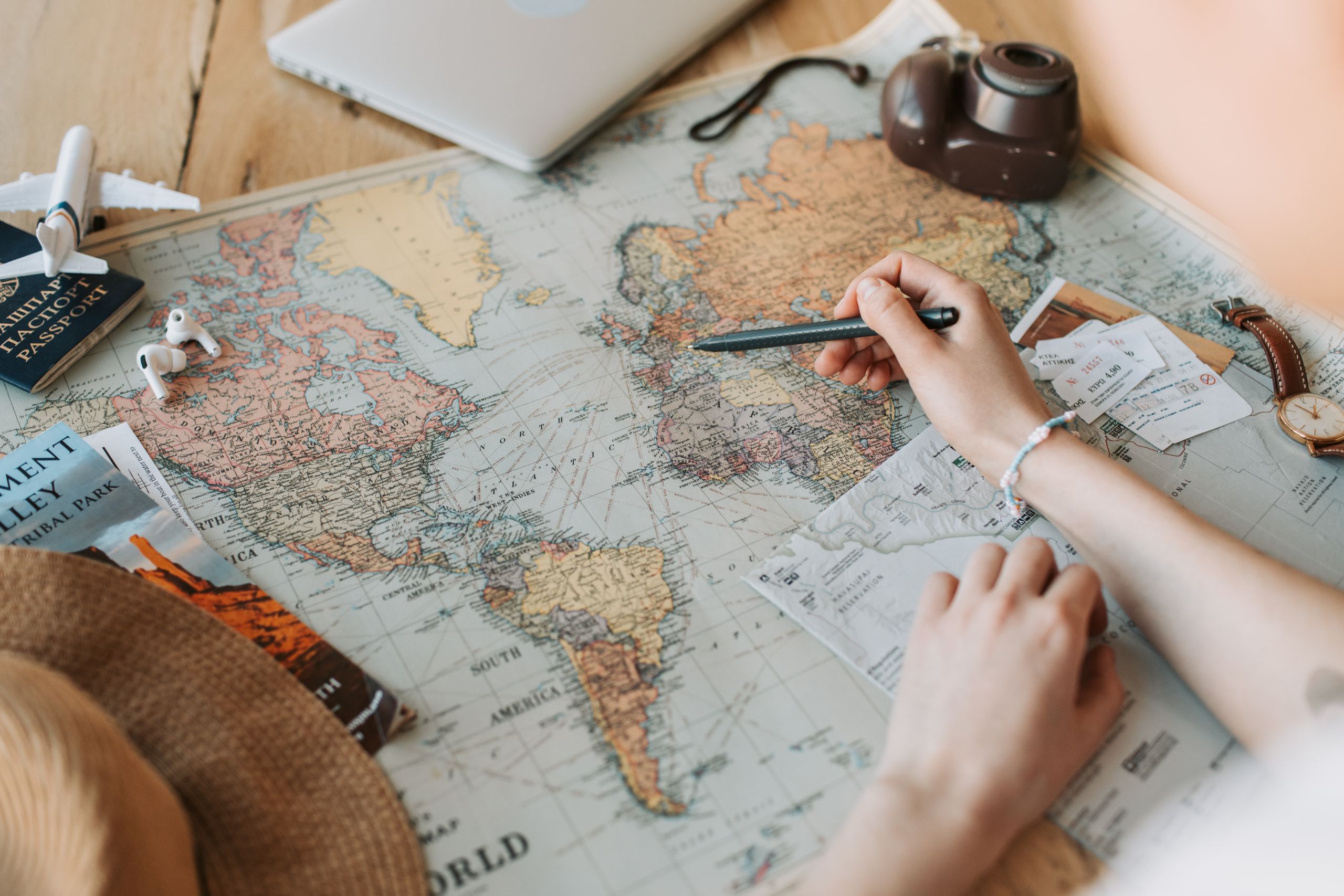
The first step in planning any trip is deciding where you want to go. Instead of choosing a destination based only on social media photos, I like to think about the kind of experience I’m looking for.
Ask yourself a few questions before deciding:
- Do I want mountains, beaches, cities, or wildlife?
- Am I looking for relaxation or adventure?
- How much travel time do I have?
- What’s my total budget?
- What season am I traveling in?
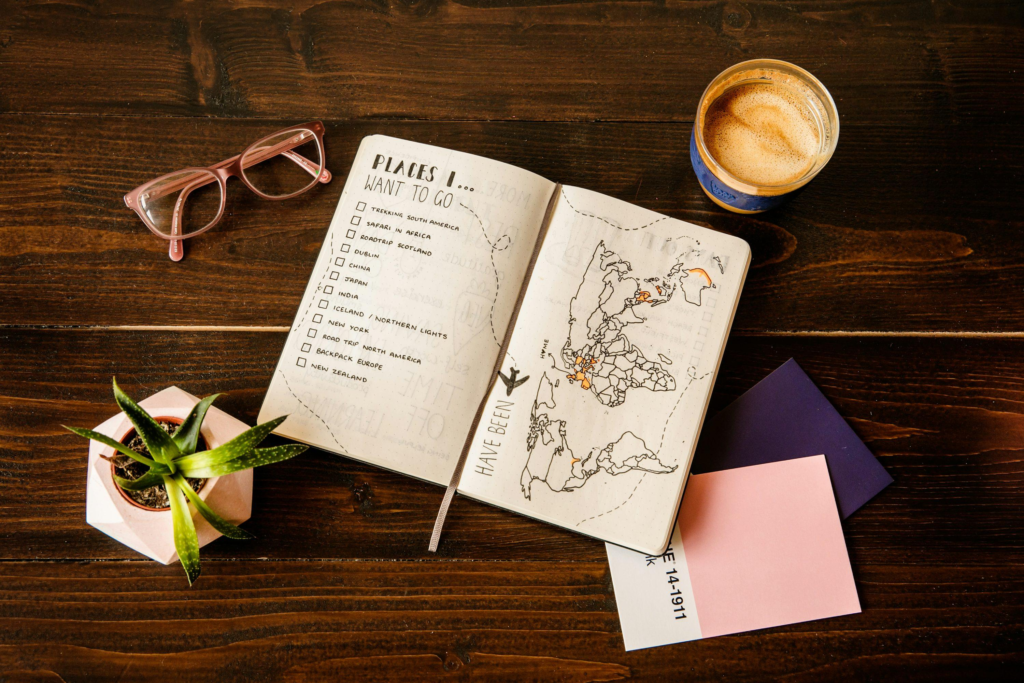
For a seven-day trip, I prefer destinations where I can spend more time exploring rather than moving between multiple locations. Staying in one region allows me to experience the local culture at a slower pace.
I also check visa requirements, weather forecasts, local festivals, and public holidays before finalizing my destination.
Budget Planning
One of the biggest travel mistakes is planning the itinerary before planning the budget. I always decide how much I’m comfortable spending before making any bookings.
A simple travel budget includes:
| Expense Category |
|---|
| Flights |
| Accommodation |
| Local Transportation |
| Food & Drinks |
| Attractions |
| Shopping |
| Emergency Fund |
| Miscellaneous |
I usually keep an extra 10–15% of my total budget aside for unexpected expenses such as medical needs, transportation delays, or last-minute activities.
Traveling during the shoulder season is another excellent way to reduce costs without compromising the overall experience.
Every good travel planning guide starts with a realistic budget because your spending determines your destination, accommodation, transportation, and activities.
Booking Flights
Flights are often one of the largest travel expenses, so I spend time comparing different options before booking.
Some habits that have consistently saved me money include:
- Booking domestic flights one to three months in advance.
- Booking international flights three to six months ahead.
- Comparing airlines before making a final decision.
- Flying on weekdays whenever possible.
- Traveling with only carry-on luggage for shorter trips.
When comparing flights, I don’t just look at the ticket price. I also consider baggage allowances, layover duration, arrival times, and airport locations.
A slightly more expensive flight can sometimes save both time and money.
Accommodation Planning
Choosing the right place to stay has a huge impact on the overall travel experience.
Instead of booking the cheapest hotel available, I look for accommodation that offers the best value.
I usually compare:
- Location
- Safety
- Guest reviews
- Public transport access
- Wi-Fi availability
- Breakfast options
- Cancellation policy
One lesson I’ve learned while creating my own travel planning guide is that staying in the right location often saves both time and money during the trip.
Depending on the destination, I choose between the following:
Hotels
Perfect for comfort, privacy, and convenience.
Homestays
Great for experiencing local culture and hospitality.
Hostels
Ideal for budget travelers and solo travelers who enjoy meeting new people.
Apartments
Excellent for longer stays or family vacations.
I always try to stay close to major attractions or public transportation to reduce commuting time.
Creating a Daily Itinerary
One of the biggest lessons I’ve learned is not to overfill every day with activities.
Instead, I plan one or two major attractions each day and leave enough time for spontaneous discoveries.
A balanced itinerary usually includes:
- Morning sightseeing
- Local lunch
- Afternoon exploration
- Evening relaxation
- Sunset photography
- Local food experiences
I also group nearby attractions together to reduce unnecessary travel time.
This approach allows me to enjoy each destination rather than rushing from one place to another.
A complete travel planning guide isn’t just about booking flights—it’s also about creating a balanced itinerary that gives you enough time to explore without feeling exhausted.
Transportation Guide
Getting around efficiently saves both time and money.
Before arriving, I research:
- Airport transfers
- Public transportation
- Metro systems
- Bus routes
- Taxi services
- Ride-sharing apps
- Car rentals (if required)
For cities with excellent public transportation, I often purchase daily or weekly travel passes.
Walking is another great way to explore a destination while discovering hidden cafés, markets, and local neighborhoods that many tourists miss.
Transportation is another essential part of any travel planning guide because efficient travel helps you maximize your vacation and reduce unnecessary expenses.
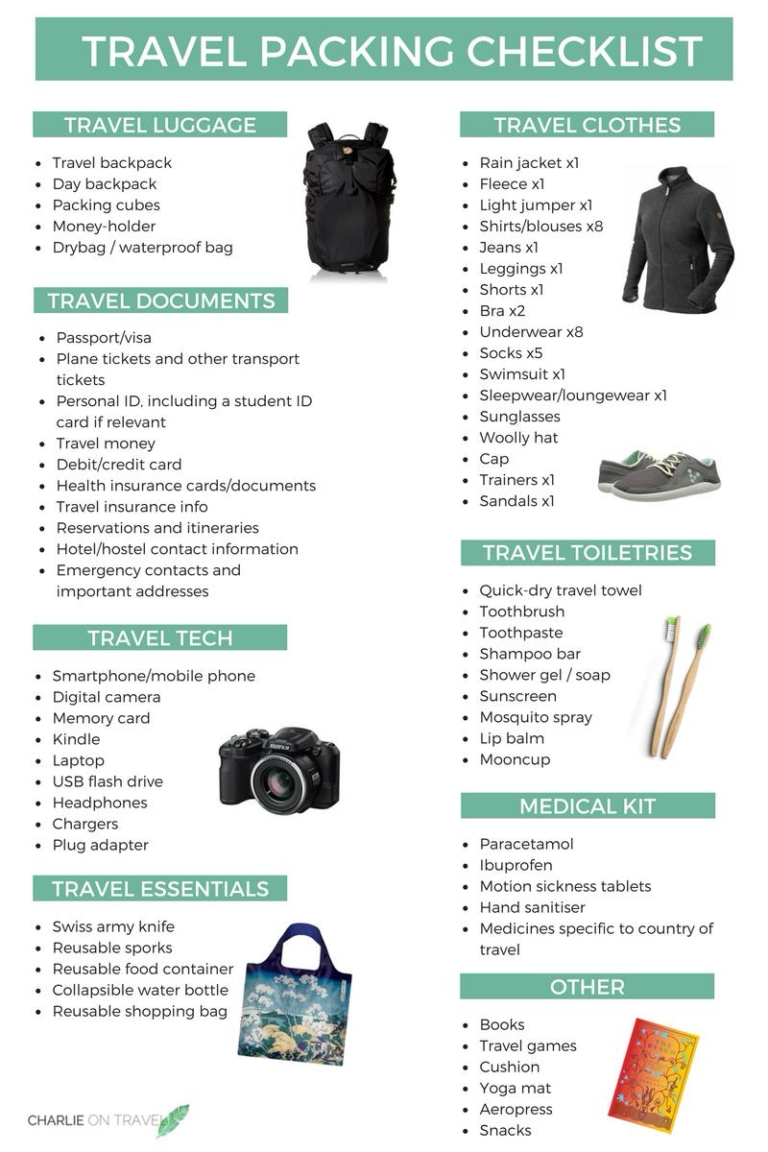
Packing Checklist
Packing light has made every trip easier.
For a seven-day journey, I usually carry:
Documents
- Passport
- Visa (if required)
- Travel insurance
- Boarding passes
- Hotel confirmations
- Identification
Clothing
- Comfortable outfits
- Walking shoes
- Jacket
- Sleepwear
- Undergarments
- Rain jacket (seasonal)
Electronics
- Smartphone
- Charger
- Power bank
- Universal adapter
- Camera
- Extra batteries
- Memory cards
Toiletries
- Toothbrush
- Toothpaste
- Shampoo
- Soap
- Sunscreen
- Hand sanitizer
Health
- Prescription medicines
- Basic first aid kit
- Pain relievers
- Motion sickness tablets (if needed)
I use packing cubes to keep everything organized and save luggage space.
No travel planning guide is complete without a practical packing checklist. Packing only what you need makes every journey easier and more comfortable.
Safety Preparation
Travel is much more enjoyable when you’re prepared for unexpected situations.
Before leaving, I always:
- Purchase travel insurance.
- Save digital copies of important documents.
- Share my itinerary with family.
- Download offline maps.
- Note emergency contact numbers.
- Carry a small amount of local currency.
- Research local customs and regulations.
When exploring unfamiliar destinations, I remain aware of my surroundings and avoid displaying expensive belongings unnecessarily.
Preparation builds confidence and helps prevent common travel problems.
I always include safety preparation in my travel planning guide because a little preparation can prevent major problems while traveling.
Sample 7-Day Travel Plan
One of the most useful parts of any travel planning guide is seeing how everything fits together in a real itinerary. Below is the exact framework I use when planning a one-week vacation.
Day 1 – Arrival
- Check into accommodation
- Explore nearby streets
- Enjoy local cuisine
- Rest early
Day 2 – Major Attractions
- Visit famous landmarks
- Museums
- Photography during Golden Hour
Day 3 – Cultural Experiences
- Local markets
- Heritage sites
- Traditional food tour
Day 4 – Nature & Adventure
- National park
- Beach
- Mountains
- Hiking
- Wildlife
Day 5 – Hidden Gems
- Lesser-known neighborhoods
- Local cafés
- Scenic viewpoints
- Street photography
Day 6 – Leisure Day
- Shopping
- Relaxation
- Spa
- Sunset cruise
- Food exploration
Day 7 – Final Exploration
- Breakfast
- Last-minute shopping
- Souvenir purchases
- Airport transfer
This schedule provides a healthy balance between sightseeing and relaxation without feeling rushed.
Recommended Travel Gear
These are a few travel essentials I never leave home without. They’ve helped me stay organized, comfortable, and prepared on almost every trip.
My Go-To Travel Essentials
- Carry-On Travel Backpack
- Packing Cubes Set
- Universal Travel Adapter
- 10,000 mAh Power Bank
- Reusable Insulated Water Bottle
- Travel Neck Pillow
- Lightweight Rain Jacket
- Camera Sling Bag
Choosing quality travel gear once often saves money and frustration over multiple trips.
Bonus Travel Planning Tips
Here are a few habits that have consistently improved my travel experience:
- Book popular attractions in advance when possible.
- Keep digital and printed copies of important documents.
- Leave at least one flexible day in your itinerary.
- Wake up early to enjoy attractions before the crowds arrive.
- Try local restaurants instead of tourist-focused eateries.
- Carry snacks and a reusable water bottle.
- Back up your travel photos every evening.
- Leave some space in your luggage for souvenirs.
Small details like these can really enhance your trip.
Conclusion
I hope this travel planning guide helps you organize your next adventure with confidence. From choosing the perfect destination to creating a balanced itinerary and packing efficiently, following a structured plan makes every journey more enjoyable.
Planning a perfect seven-day trip isn’t about filling every hour with activities; it’s about creating a journey that balances exploration, relaxation, and memorable experiences. By choosing the right destination, setting a realistic budget, booking transportation and accommodation early, packing thoughtfully, and leaving room for spontaneous discoveries, you can enjoy a smoother and more rewarding adventure.
I’ve found that the best trips are the ones where planning provides a strong foundation without limiting the excitement of the unexpected. Some of my favorite travel memories came from unplanned conversations, hidden viewpoints, and places I discovered simply by wandering. Use this guide as a starting point, adapt it to your travel style, and remember that every journey is unique. With the right preparation, your next seven-day adventure can become one you’ll remember for years to come.