How to Plan an Unforgettable Road Trip: The Complete Guide for 2026
Introduction
Few travel experiences compare to the freedom of a road trip. The open road, changing landscapes, unexpected discoveries, and the flexibility to stop whenever something catches your eye make road trips one of my favorite ways to explore. Unlike flights or train journeys, road trips allow you to experience the journey itself—not just the destination.
Over the years, I’ve learned that a successful road trip is all about preparation. A little planning before you leave can help you avoid stress, save money, and enjoy every mile. From choosing the perfect route and preparing your vehicle to budgeting, packing, and finding hidden photography spots, every detail plays an important role.
In this guide, I’ll walk you through everything you need to know to plan a safe, memorable, and enjoyable road trip, whether you’re heading out for a weekend getaway or embarking on a cross-country adventure.
Choosing the Route
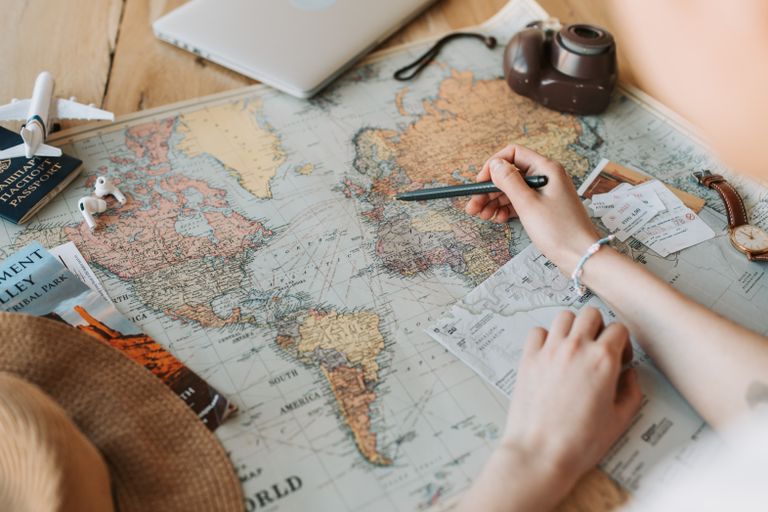
A great road trip begins with choosing the right route. While the destination may be exciting, it’s often the roads in between that create the best memories.
Research Your Destination
Start by deciding where you want to go and how much time you have. Consider:
- Total driving distance
- Road conditions
- Seasonal weather
- Fuel availability
- Tourist attractions
- Scenic viewpoints
A realistic itinerary helps you enjoy the trip without feeling rushed.
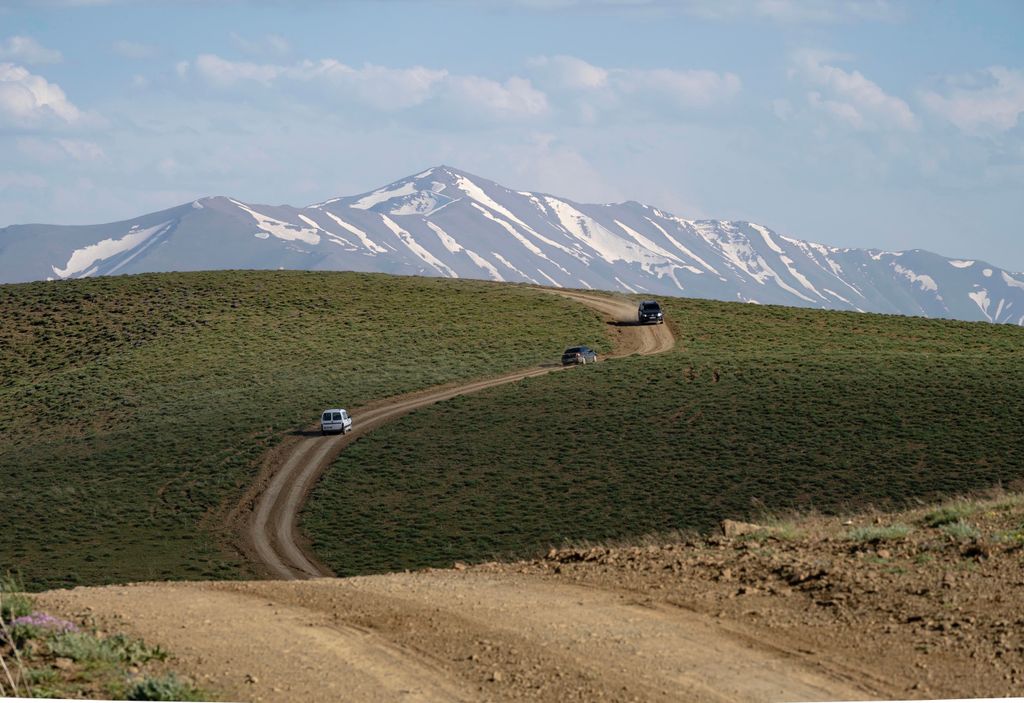
Include Scenic Roads
Whenever possible, choose routes known for beautiful landscapes rather than simply taking the fastest highway.
Some of the most memorable drives include:
- Coastal highways
- Mountain passes
- Forest roads
- Countryside routes
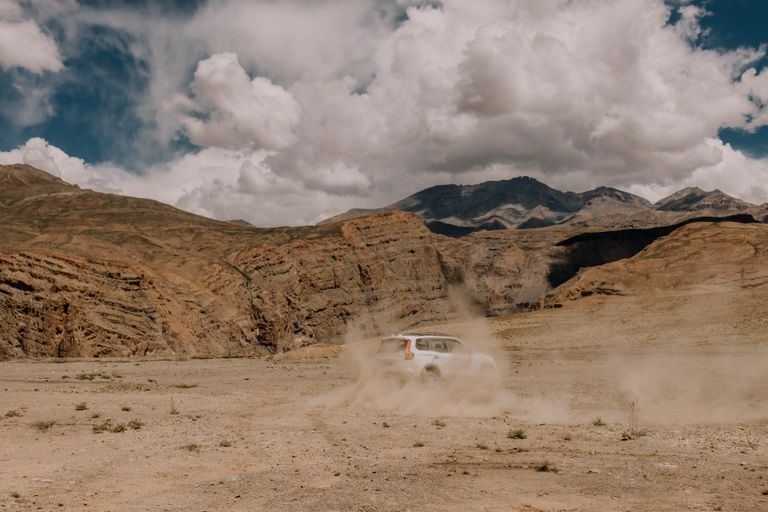
- Desert landscapes
The extra time is often well worth it.
Plan Rest Stops
Driving for long hours can be exhausting.
Plan stops every two to three hours to:
- Stretch your legs
- Refuel
- Eat
- Take photographs
- Explore nearby attractions
Short breaks improve both safety and enjoyment.
Keep a Flexible Schedule
One of the greatest advantages of a road trip is spontaneity.
Leave room in your itinerary for:
- Hidden viewpoints
- Local festivals
- Small villages
- Scenic cafés
- Unexpected adventures
Some of my favorite travel memories happened because I decided to take an unplanned turn.
Vehicle Preparation
Before starting any road trip, make sure your vehicle is in excellent condition.
Perform a Basic Inspection
Check:
- Engine oil
- Brake fluid
- Coolant
- Windshield washer fluid
- Tire pressure
- Spare tire condition
A quick inspection can prevent major problems on the road.
Service Your Vehicle
If you’re planning a long-distance journey, schedule a service before departure.
Have a mechanic inspect:
- Brakes
- Battery
- Suspension
- Air conditioning
- Lights
- Wipers
Preventive maintenance is far cheaper than emergency repairs.
Carry Essential Tools
Every road trip vehicle should include:
- Jack
- Tire inflator
- Jumper cables
- Flashlight
- Tow rope
- Multi-tool
- Basic toolkit
Even if you never use them, it’s reassuring to have them available.
Keep Important Documents Ready
Don’t forget:
- Driving license
- Vehicle registration
- Insurance papers
- Pollution certificate (where applicable)
- Emergency contact numbers
Store both physical and digital copies.
Road Trip Budget
Planning your expenses helps avoid surprises during your journey.
Fuel Costs
Fuel is often the largest road trip expense.
Estimate:
Total Distance ÷ Vehicle Mileage × Fuel Price
This gives a realistic fuel budget before departure.
Accommodation
Your accommodation budget depends on your travel style.
Options include:
- Budget hotels
- Guesthouses
- Homestays
- Hostels
- Campsites
- Luxury resorts
Booking early usually results in better prices.
Food
Budget for:
- Breakfast
- Lunch
- Dinner
- Snacks
- Coffee
- Drinking water
Trying local restaurants is often both affordable and memorable.
Attractions
Include entrance fees for:
- National parks
- Museums
- Monuments
- Adventure activities
- Guided tours
Planning ahead prevents overspending.
Emergency Fund
Always keep extra money aside for:
- Vehicle repairs
- Medical emergencies
- Unexpected accommodation
- Fuel price changes
An emergency fund provides peace of mind.
Packing List
Packing efficiently makes every road trip more comfortable.
Essential Documents
- Driving license
- Passport (if required)
- Insurance papers
- Hotel bookings
- Emergency contacts
Clothing
Pack according to your destination and weather.
Include:
- Comfortable clothing
- Jacket
- Rainwear
- Walking shoes
- Sleepwear
- Sunglasses
Layering works best for changing climates.
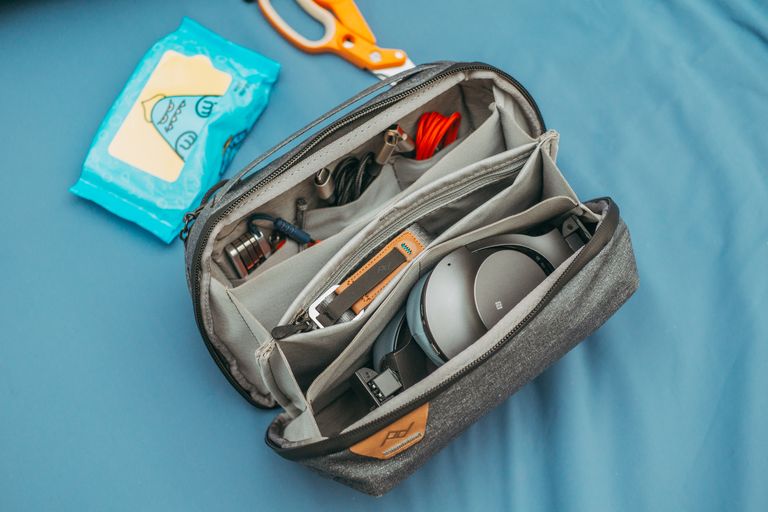
Technology
Don’t forget:
- Smartphone
- Chargers
- Power bank
- Camera
- Extra batteries
- Memory cards
- Universal adapter
These items help you stay connected and capture unforgettable moments.
Snacks and Drinks
Road trips become much more enjoyable when you carry:
- Water bottles
- Energy bars
- Dry fruits
- Fresh fruit
- Biscuits
- Coffee flask
Healthy snacks reduce unnecessary stops.
Emergency Kit
Carry:
- First aid kit
- Torch
- Blanket
- Rain poncho
- Emergency whistle
- Portable tire inflator
Prepared travelers are confident travelers.
Safety Tips
Safety should always come before speed.
Avoid Driving While Tired
Fatigue is one of the leading causes of road accidents.
If you feel sleepy:
- Take a break
- Drink water
- Stretch
- Change drivers if possible
Never force yourself to continue driving.
Follow Speed Limits
Road trips aren’t races.
Driving responsibly improves safety while allowing you to enjoy the scenery.
Stay Connected
Share your travel route with family or friends.
Regular updates help others know your location in case of emergencies.
Watch the Weather
Heavy rain, snow, fog, or landslides can affect road conditions.
Always check weather forecasts before long drives.
Secure Your Belongings
Avoid leaving valuables visible inside the vehicle when parked.
Use the trunk or lock them out of sight.
Navigation Apps
Navigation apps make modern road trips much easier.
Useful features include:
- Live traffic updates
- Offline maps
- Fuel stations
- Restaurants
- Hotels
- Scenic routes
- Toll estimates
Download offline maps before entering remote areas where mobile coverage may be limited.
Accommodation
Choosing the right place to stay can make your road trip more relaxing.
Budget Hotels
Ideal for travelers looking for clean, affordable overnight stays.
Homestays
Perfect for experiencing local culture and hospitality.
Campsites
Camping adds adventure and often places you closer to nature.
Always check campsite facilities and safety guidelines before arrival.
Boutique Hotels
If you’re celebrating a special occasion, boutique properties often offer unique architecture and personalized experiences.
Photography Stops
One of my favorite parts of any road trip is discovering incredible places to photograph.
Plan Sunrise and Sunset Stops
The best lighting usually occurs:
- Shortly after sunrise
- Just before sunset
These golden hours produce soft, warm light that enhances landscapes and portraits.
Scenic Viewpoints
Research scenic viewpoints along your route before leaving.
Many famous roads have designated observation points perfect for photography.
Capture Local Life
Don’t focus only on landscapes.
Photograph:
- Local markets
- Small villages
- Roadside cafés
- Historic buildings
- People (with permission)
These moments tell the true story of your journey.
Keep Your Camera Ready
Some of the best photographs appear unexpectedly.
Keep your camera or smartphone easily accessible so you never miss an incredible moment.
Bonus Road Trip Tips
Here are a few habits that have made my road trips smoother and more enjoyable:
- Start driving early to avoid traffic.
- Refuel before your tank gets too low.
- Carry both cash and digital payment options.
- Download playlists and podcasts before leaving.
- Respect local communities and nature.
- Leave every destination cleaner than you found it.
Small habits often make a big difference over long journeys.
Conclusion
Road trips are about much more than reaching a destination—they’re about embracing the freedom to explore, discover hidden places, and create unforgettable memories along the way. With the right planning, a well-prepared vehicle, a realistic budget, and a flexible mindset, every journey becomes an adventure filled with unexpected moments and incredible stories.
Some of my favorite travel experiences have happened on roads I had never driven before, in small towns I hadn’t planned to visit, and at viewpoints I almost skipped. That’s the magic of road travel. So plan your route, pack your essentials, fill up, and set off with confidence. The journey ahead may become your most memorable adventure yet.