Kasar Devi Travel Guide: My 3-Day Journey from Delhi to a Peaceful Himalayan Retreat
Introduction: Finding Peace in the Kumaon Hills
Sometimes, you don’t need a long vacation or a packed itinerary to feel refreshed. You simply need a quiet place where you can slow down, breathe fresh mountain air, enjoy delicious food, and spend some time away from the noise of everyday life.
That was exactly what I was looking for when I planned my three-day trip from Delhi to Kasar Devi in Uttarakhand.
Located near Almora in the beautiful Kumaon region, Kasar Devi is known for its ancient temple, peaceful mountain surroundings, pine-covered hills, and spiritual atmosphere. It is a destination that attracts people looking for meditation, solitude, nature, and a slower way of travelling.
My journey included a train ride to Kathgodam, a long but scenic drive through the mountains, a visit to the famous Kasar Devi Temple, and some memorable meals at local cafés, including Himalayan Hobbit and The Kasar Kitchen.
If you’re planning a short Himalayan escape and want somewhere that feels peaceful rather than crowded, here’s how my Kasar Devi experience unfolded.
Day 1: Travelling from Delhi to Kasar Devi

From Delhi to Kathgodam by train
I started my journey from Delhi and chose the train to reach Kathgodam, the nearest major railway station for this part of the Kumaon hills.
Taking the train made the first part of the journey convenient. It also meant I could save my energy for the mountain drive ahead instead of spending the entire journey on the road.
Kathgodam is an important railhead for travellers heading towards destinations such as Nainital, Bhimtal, Ranikhet, and Almora. From here, the landscape gradually changes as you leave the plains behind and begin climbing into the hills.
The mountain drive to Kasar Devi

After reaching Kathgodam, I hired a cab to continue towards Kasar Devi.
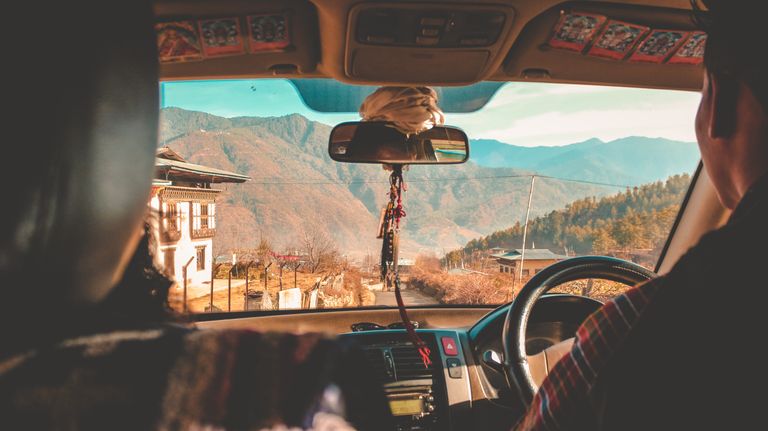
The distance from Kathgodam to Kasar Devi is approximately 100 km, and my drive took around four hours. The journey was long, but the changing scenery made it enjoyable. The roads wound through mountain landscapes, with green hills, forested stretches, and beautiful views along the way.
As we travelled higher, the atmosphere began to feel different. The busy surroundings of the plains gradually gave way to the quieter rhythm of the mountains.
By the time I reached Kasar Devi, I was ready to settle in, relax, and enjoy the peaceful surroundings. After the train journey and hours on the road, simply being in the mountains felt refreshing.
Travel note: Kathgodam is around 100–105 km from the Kasar Devi area, depending on the route and exact destination. My journey took approximately four hours by cab.
Day 2: Visiting the Famous Kasar Devi Temple

A temple with a remarkable spiritual history
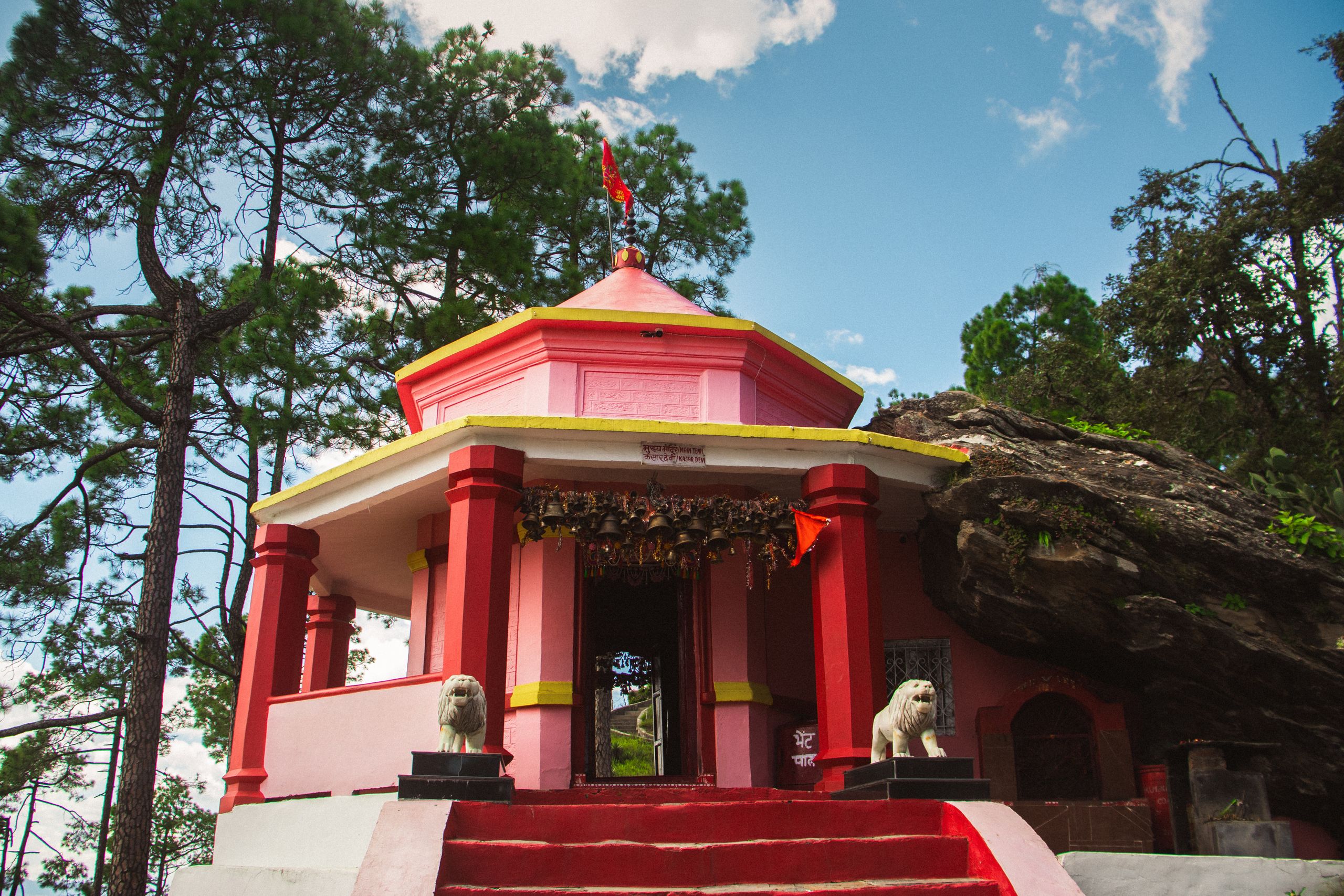
The highlight of my visit was Kasar Devi Temple, a place that has become famous for its association with meditation, spirituality, and inner peace.
The temple is dedicated to Goddess Kasar Devi and is situated on a ridge near Almora. Its origins are generally traced to the 2nd century CE, making it a place with a long history of worship and devotion.
What makes this destination particularly interesting is that its spiritual reputation extends beyond local religious traditions. Swami Vivekananda visited the area in the 1890s and meditated here. Over time, Kasar Devi also attracted spiritual seekers, writers, and people from different parts of the world.
The nearby Crank’s Ridge became particularly well known during the 1960s and 1970s, attracting travellers associated with the international counterculture movement.
Why Kasar Devi is associated with meditation and peace

One of the things that makes Kasar Devi special is its peaceful natural setting. The combination of mountain air, forested surroundings, expansive views, and the quiet atmosphere around the temple makes it an appealing place for meditation and reflection.
The area is also associated with claims about unusual geomagnetic properties. These stories have contributed to its reputation as a spiritually significant destination. However, claims that magnetic fields directly enhance meditation or create particular spiritual experiences should be treated as beliefs rather than established scientific conclusions.
For me, the appeal of Kasar Devi was simpler: it offered an opportunity to step away from the usual routine and spend time in a calm environment.
You don’t necessarily need to follow a particular spiritual practice to appreciate this place. Sitting quietly, observing the mountains, or simply taking a break from your phone can make the visit worthwhile.
Historical and cultural background:
The views and atmosphere
Beyond the temple itself, the surrounding landscape is a major part of the experience. The ridge offers beautiful views across the hills and toward the Almora region. Pine trees, winding mountain roads, and the open Himalayan sky create a setting that encourages you to slow down.
I would recommend giving yourself enough time here instead of treating the temple as a quick stop on a sightseeing checklist. The surroundings are part of what makes the visit memorable.
Day 3: Exploring the Cafés of Kasar Devi
One of my favorite parts of the trip was exploring the local cafés. Kasar Devi has a relaxed café culture, and taking a break for good food while enjoying the mountain surroundings made the experience even more enjoyable.
1. Himalayan Hobbit

Himalayan Hobbit was one of the cafés I visited during my stay. It was a lovely place to take a break, enjoy a meal, and soak in the relaxed atmosphere of Kasar Devi.
The café is known for its welcoming mountain-café ambience and a menu that brings together different cuisines. It is the kind of place where you can take your time over a meal rather than feeling rushed.
For me, the food was delicious, and the experience fitted perfectly with the laid-back mood of the trip.
2. The Kasar Kitchen

Another place I visited was The Kasar Kitchen. It was a memorable stop for food during my time in Kasar Devi.
The café is known for its mountain setting and food options that include local Kumaoni flavours alongside other dishes. If you enjoy discovering places to eat while travelling, this is the sort of stop that adds another dimension to a destination.
I enjoyed the food here as well. Having delicious meals in a peaceful mountain environment made the experience feel even more special.
Both cafés added something different to my trip. They reminded me that travelling isn’t only about visiting famous attractions; sometimes, the meals, conversations, and little breaks along the way become just as memorable.
Things to Do in Kasar Devi Beyond the Temple


If you have extra time during your visit, consider adding a few simple activities to your itinerary:
- Explore Crank’s Ridge: Walk around the ridge and discover the landscape linked to Kasar Devi’s history of spiritual seekers and travellers.
- Enjoy a slow morning: Start your day with a quiet walk, fresh mountain air, and time to appreciate the surroundings.
- Watch the changing mountain light: If the weather is clear, take time to enjoy the views as the sunlight changes across the hills.
- Explore Almora: Visit the nearby town for its markets, local culture, and regional food.
- Discover Kumaoni cuisine: Look for local dishes and traditional meals to experience another side of Uttarakhand’s food culture.
If you’re staying longer, Binsar Wildlife Sanctuary and the ancient Sun Temple at Katarmal are among the regional attractions you could research for a separate excursion. Check travel times and access conditions before adding them to a short itinerary.
How to Plan Your Own Kasar Devi Trip
Here are a few practical details to help you plan a similar journey.
Location
Kasar Devi, near Almora, Uttarakhand, in the Kumaon region.
Nearest railway station
Kathgodam Railway Station. From there, you can hire a cab for the mountain journey.
Road journey
Approximately 100 km from Kathgodam to Kasar Devi, my cab journey took around four hours.
Suggested duration
Three days is a practical starting point for a brief visit covering the temple, cafés, and relaxed exploration.
When to visit
Spring, early summer, and autumn are commonly considered pleasant periods for exploring the Kumaon region. Check the local forecast before travelling, as mountain weather can change.
What to carry
Comfortable trekking shoes, a backpack, a light jacket, a water bottle, a 10000 mAh power bank, personal essentials, and some cash for local purchases.
Travel and location details:
A useful tip is to avoid making your itinerary too hectic. Mountain journeys can take longer than expected, so leave some flexibility for road conditions, weather, and spontaneous stops.
Final Thoughts: Is Kasar Devi Worth Visiting?
My three-day trip from Delhi to Kasar Devi was a refreshing break from the usual routine. From the train journey to Kathgodam and the scenic cab ride through the mountains to the peaceful atmosphere around the temple, every part of the experience felt like an opportunity to slow down.
The temple’s spiritual history makes the destination fascinating, while the surrounding hills, forested paths, and cafés give you plenty of reasons to stay a little longer.
I particularly enjoyed visiting Himalayan Hobbit and The Kasar Kitchen, where delicious food became another memorable part of the journey.
If you’re someone who enjoys peaceful destinations, mountain landscapes, spiritual places, and relaxed café experiences, Kasar Devi is worth considering for your next Uttarakhand trip. You don’t need a long itinerary here. Occasionally, a few days of fresh air, beautiful views, and a slower pace are enough to feel refreshed.
For me, Kasar Devi was a reminder that travel isn’t always about covering as many places as possible. Sometimes, the most meaningful journeys are the ones that allow you time to simply be present.